

Buyer’s Guide: 7 Things to Check Before Buying Your First Flat in Kolkata
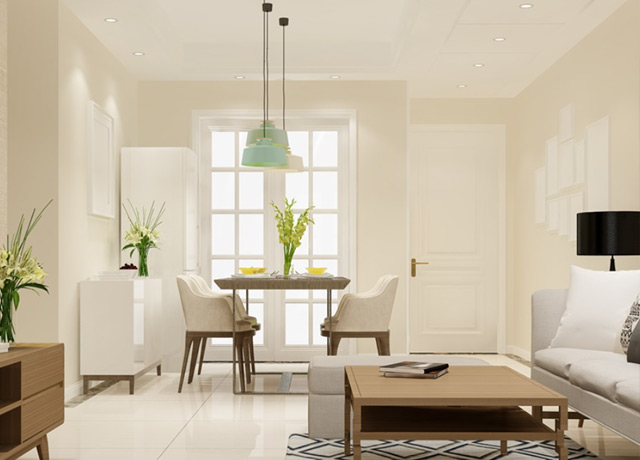
Introduction: Finding a Home That Fits Your Life Buying your first home is more than a financial milestone. It is a decision about where you will spend your mornings, build your routines, welcome your family and create memories for years to come. In a city like Kolkata, where established neighbourhoods meet emerging residential developments, choosing the right apartment requires more than comparing floor plans and prices. Your decision should account for connectivity, everyday conveniences, construction quality, documentation and the lifestyle you hope to build. Whether you are purchasing a home for your family or planning for the future, having a clear checklist can make the process more informed and less overwhelming. In this guide, we explore seven essential things every first-time homebuyer should consider before making a commitment. [Suggested internal link: Explore residential properties and developments] [Featured image: A premium residential complex with landscaped surroundings and illuminated balconies] Image caption: A well-chosen home brings together thoughtful planning, everyday convenience and long-term comfort. 1. Choose a Location That Works for Your Everyday Life A beautiful apartment can make a strong first impression, but its location will influence your experience long after the excitement of moving in has passed. Before shortlisting a property, think about the places you visit regularly and the amount of time you want to spend travelling. Consider the following: A practical location checklist What to evaluate What to check Connectivity Public transport, major roads and commute options Daily convenience Grocery stores, pharmacies and essential services Healthcare Access to hospitals and medical facilities Neighbourhood Street lighting, noise, drainage and surroundings Future suitability Whether the location will meet your changing needs Pro tip: Visit the neighbourhood at different times of the day. A location that feels convenient on a Sunday afternoon may feel very different during weekday rush hour. 2. Understand the Floor Plan Before You Fall in Love With It A floor plan is not simply a drawing of rooms. It is a preview of how you will live in your home. Look beyond the total area and consider how effectively the available space is organised. A well-planned apartment should support comfortable movement, natural light, ventilation and practical furniture placement. Before making a decision, examine: [Image: A bright contemporary apartment interior showing a living room, dining area and natural light from large windows] Image caption: Thoughtful space planning can make everyday living more comfortable without unnecessary clutter. Questions worth asking during a site visit Remember that the best floor plan is not necessarily the largest one. It is the one that makes the best use of the available space for your lifestyle. 3. Verify the Legal Documents and Project Approvals Property documentation deserves as much attention as the apartment itself. Before paying a substantial booking amount or signing an agreement, independently verify the applicable documents with a qualified property lawyer. Depending on the property and transaction, important checks may include: For properties in West Bengal, buyers can begin by consulting the official West Bengal Real Estate Regulatory Authority website. Important: The documents required can vary depending on whether the property is under construction, completed, being resold or otherwise subject to specific legal circumstances. A qualified professional should confirm the requirements for your transaction. Why this step matters A well-presented property brochure is not a substitute for verified legal documentation. Take the time to understand what you are purchasing, what the developer has committed to deliver and what your agreement actually says. 4. Calculate the Complete Cost of Buying a Home One of the most common mistakes first-time buyers make is planning their budget around the advertised apartment price alone. The total amount required to purchase and maintain a home may include several additional expenses. Understanding them in advance can help you avoid unexpected financial pressure. Expense What to consider Property price The agreed price of the apartment Stamp duty and registration Applicable government charges GST Whether GST applies to the particular transaction Parking or additional facilities Charges, availability and contractual terms Home loan Processing fees, interest and repayment obligations Interior work Furniture, fittings, lighting and appliances Moving expenses Transportation and setup costs Maintenance Recurring charges and applicable deposits Note: This is a general planning checklist, not a quotation of current taxes or charges. Applicable amounts depend on the property, transaction and prevailing rules. An illustrative budget example Suppose you are evaluating an apartment with an assumed purchase price of ₹75 lakh. Budget component Illustrative amount Apartment price ₹75,00,000 Registration and other applicable charges To be verified Interior and furnishing budget To be estimated Loan-related expenses To be verified Moving and initial setup To be estimated The example deliberately leaves variable charges open because they should be calculated from current rates, the transaction structure and your actual requirements. Pro tip: Maintain a separate contingency fund rather than allocating every available rupee to the purchase itself. 5. Look Beyond the Brochure: Evaluate Construction Quality Photographs and sample apartments can help you understand a property’s design, but an informed purchase requires you to examine the actual project and its specifications. Where possible, visit the site and review the construction quality with a suitably qualified professional. Pay attention to: For an under-construction property, review the sanctioned plans, construction status, contractual specifications and disclosed completion timeline. For a completed apartment, inspect the actual unit and common facilities rather than relying only on illustrative renders. [Image: Close-up of modern residential architecture showing balcony railings, exterior finishes and landscaped common areas] Image caption: Materials, finishes and building systems deserve careful attention alongside architectural design. A property’s visual appeal matters, but the details behind that appearance matter just as much. 6. Evaluate Amenities Based on How You Will Use Them Amenities can contribute to the convenience and enjoyment of residential living. However, their value depends on your household’s needs, the project’s actual facilities and the cost of maintaining them. Before prioritising an amenity list, ask yourself which features will genuinely improve your everyday life. Amenities to consider [Image: A contemporary residential rooftop leisure area with landscaped
Buyer’s Guide: 7 Things to Check Before Buying Your First Flat in Kolkata Read Post »